
Define the premises and working constraints
Commercial painting starts with understanding how the building is used. Offices, shops, shared facilities and warehouse areas have different access and protection requirements. Identify the exact surfaces, operating hours and areas that must remain accessible. Share any landlord, facilities-management or site-specific requirements before the quote is prepared.
For multiple stakeholders, nominate a person who can approve the scope and changes. Agree how instructions will be recorded. This helps prevent conflicting requests during the job and makes it easier to manage a staged programme.
Plan the work around people and operations
Tell us about deliveries, vehicle routes, customer entrances and staff movement. A staged approach may allow some areas to stay in use while others are being painted, but it needs a site-specific assessment. Discuss working hours, separation of work areas and equipment storage before making commitments to occupants.
Early starts, after-hours work or weekend access can be discussed where appropriate. Confirm availability and any price implications in writing. There should be a clear daily contact and an agreed way to communicate changes that affect staff, tenants or customers.
Specify coatings for the surface and use
Choose a system around the substrate and exposure rather than the label “commercial”. High-use walls, doors, exterior cladding and ceilings can need different finishes. Explain cleaning routines and any particular performance requirements so they can be considered in the specification.
Specialist industrial coatings, floor systems or unusually demanding environments may need further technical input. Do not assume those requirements are covered by a standard decorative painting quote. The proposed products, preparation and exclusions should be named clearly so the scope can be reviewed by your property or facilities team.
Preparation, protection and site coordination
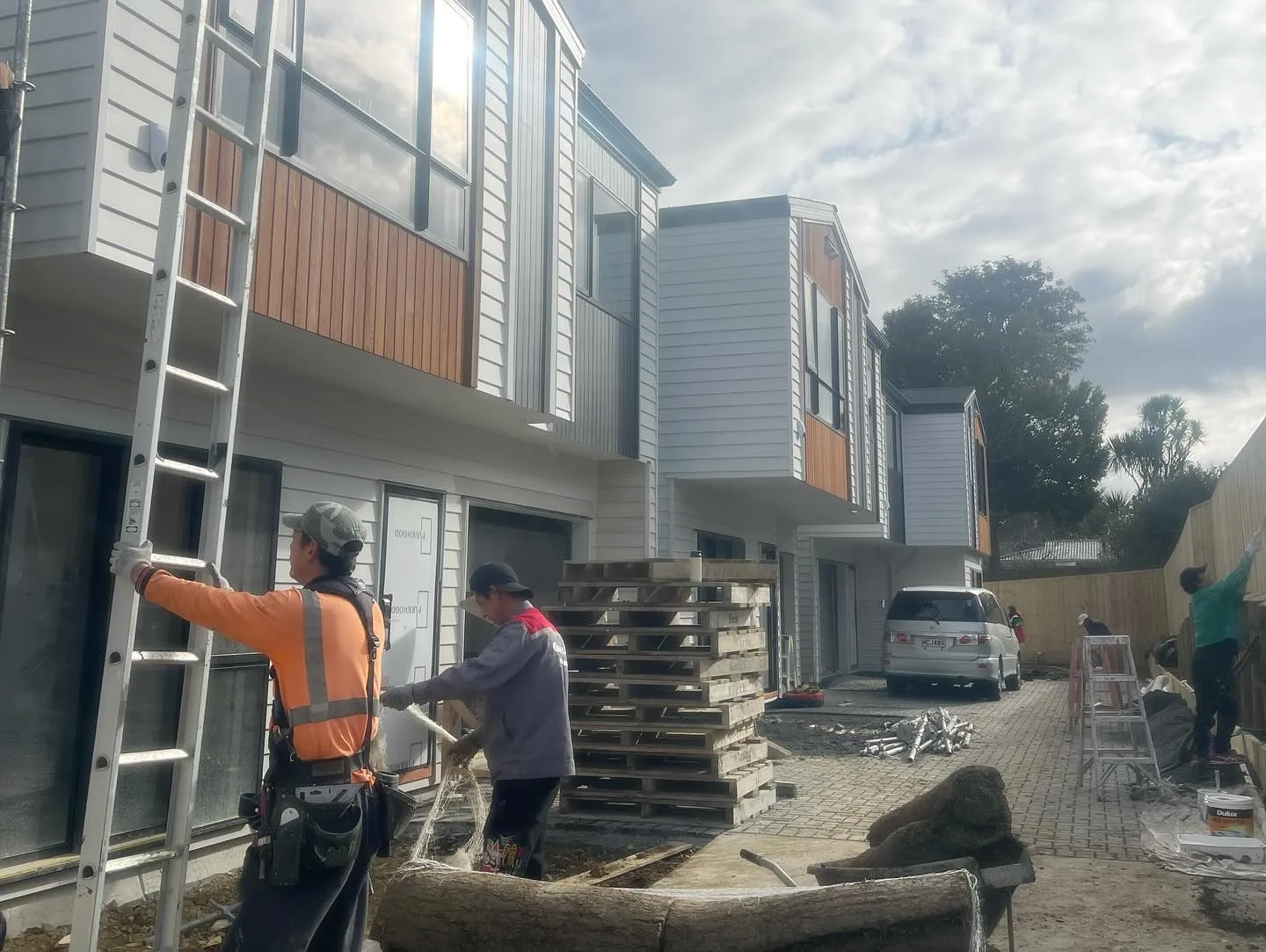
Existing coatings need assessment, and repairs should be separated from cosmetic finishing. Point out water damage, recurring cracks and known defects before work begins. Where hazardous materials could be present, arrange appropriate assessment before disturbance. Access equipment and work methods must suit the building and site requirements.
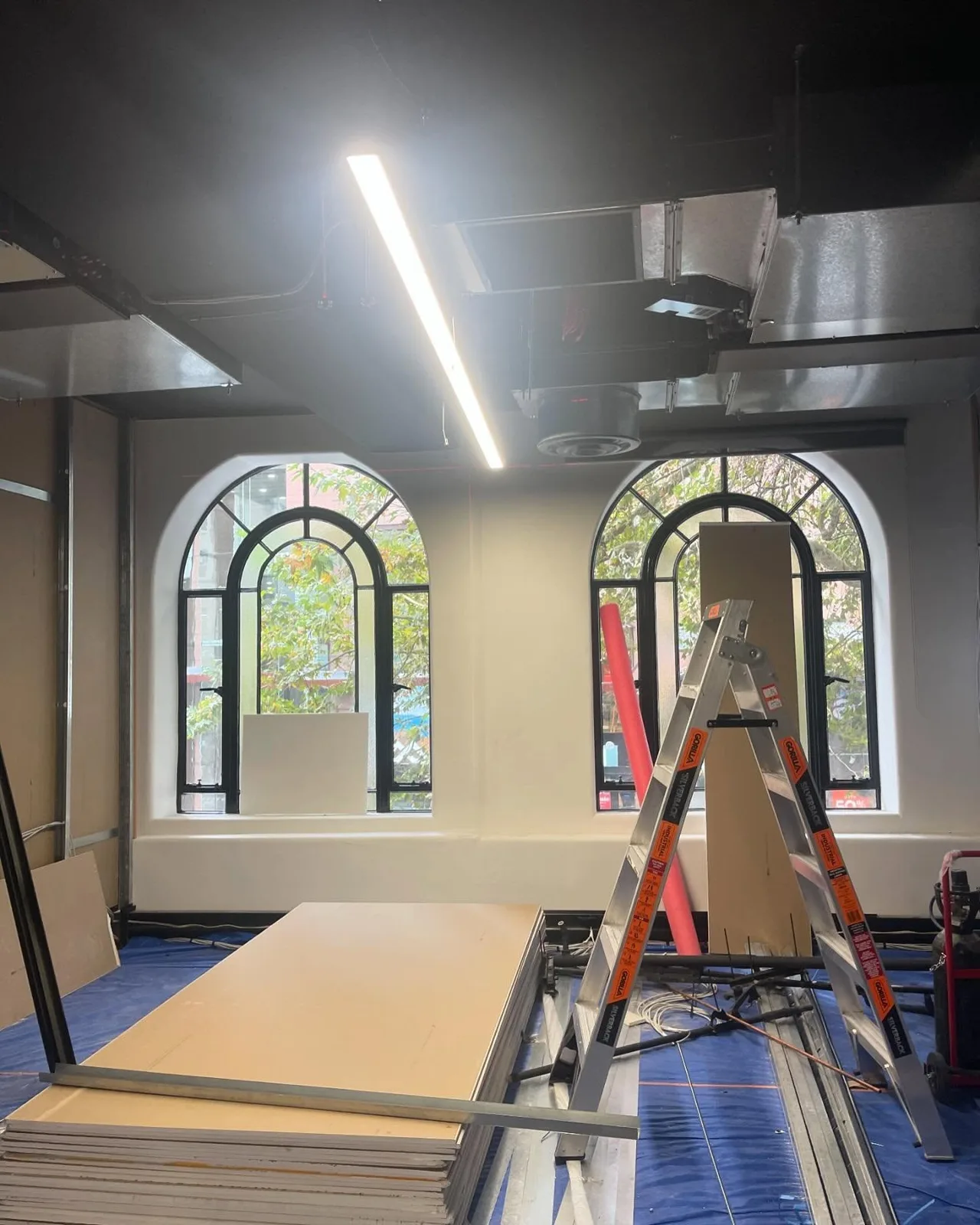
Other trades can affect the painting sequence. Agree when repair, fit-out or electrical work will be completed, and whether follow-up painting is included after those trades return. Protection and clean-up arrangements should account for equipment, stock and occupied areas.
Compare proposals and agree the handover
A useful commercial quote explains surfaces, products, preparation, access, staging and exclusions. Check GST treatment, payment milestones and the procedure for scope changes. Avoid comparing totals until you understand whether both proposals include the same work.
For handover, use the agreed scope to inspect completed areas and record outstanding touch-ups. Request product and colour records so future maintenance can be consistent. If work is staged, agree whether inspection and sign-off happen per area or at the end of the entire programme.
Commercial painting questions
Can the business remain open?
Sometimes, with suitable staging and separation. We need to understand operations and inspect the site before agreeing how work can proceed.
Can you work outside business hours?
Discuss the required hours when requesting a quote. Availability, access and any additional cost need confirmation for your project.
Do you provide quotes for property managers?
Yes. Supply the surface list, address, access details and who can approve the work. Multiple sites should be scoped clearly.
Does painting fix a leaking building?
No. Water entry and other underlying defects need assessment and repairs before the decorative finish is applied.