
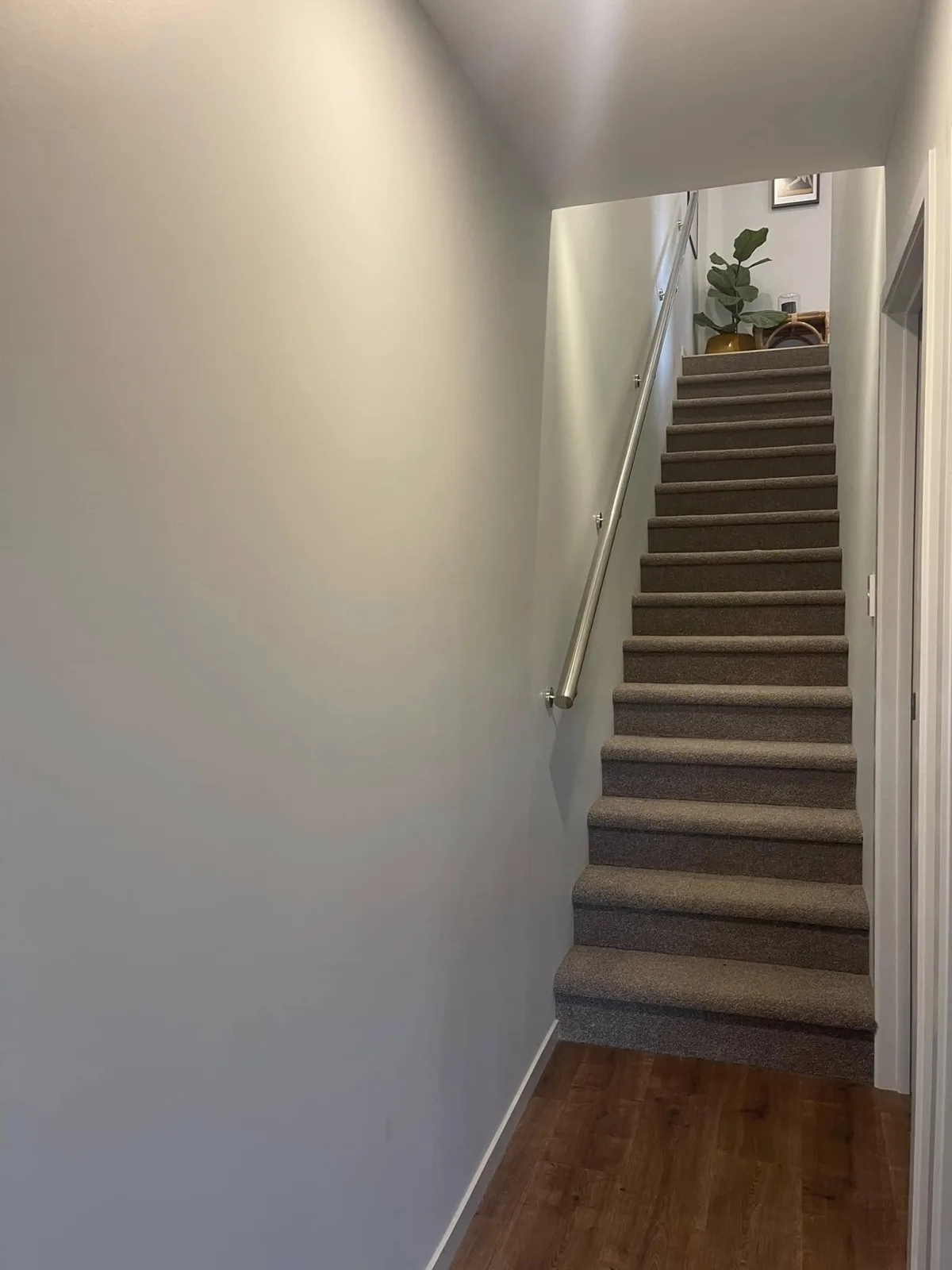
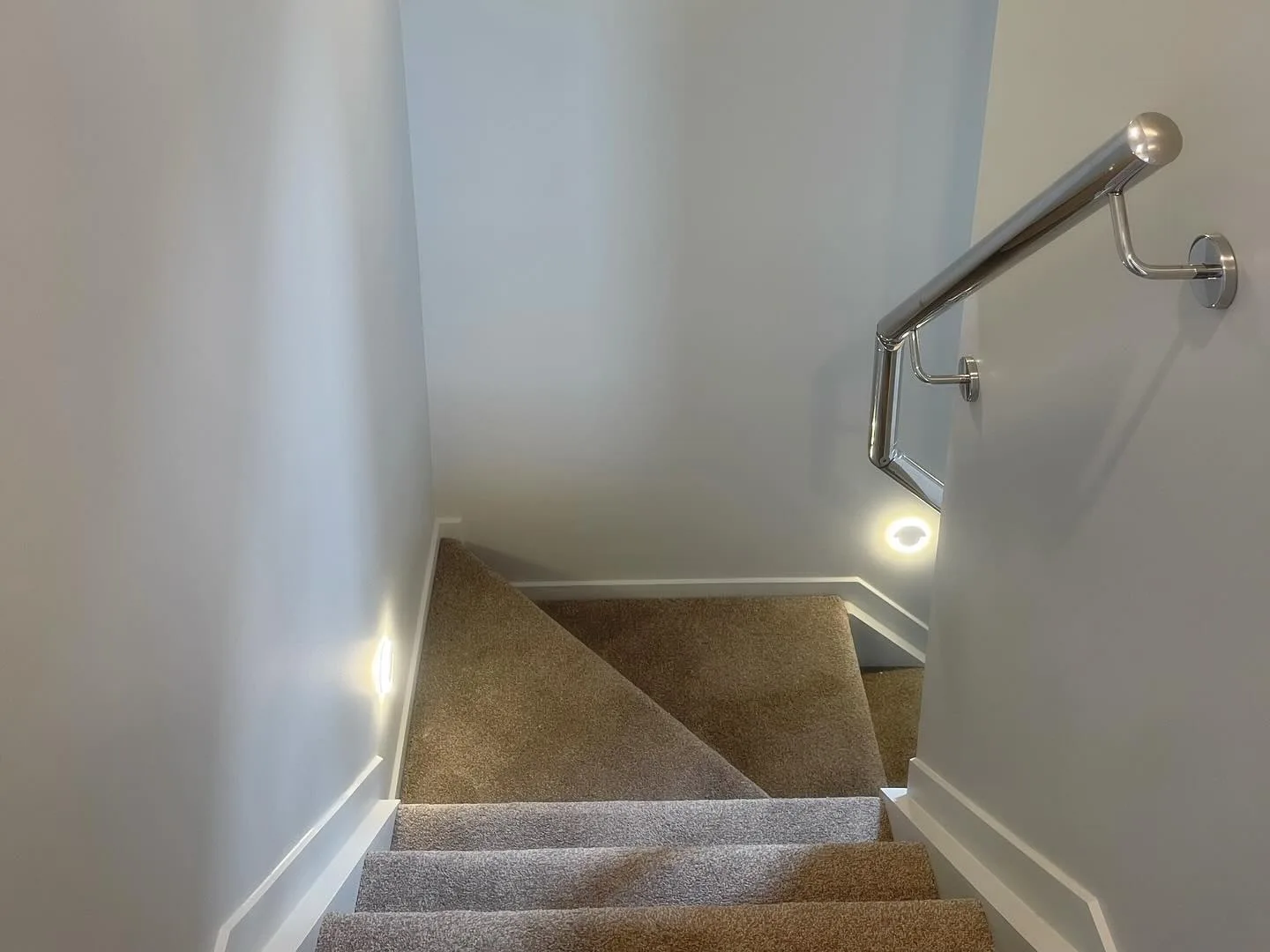
Choose the rooms and surfaces first
Interior painting can cover a single room, a staged refresh or a whole-house repaint. List walls, ceilings, doors, frames, skirting and built-in cupboards separately. A walls-only scope differs from a complete interior, even when the rooms are the same. Clear decisions at the start make the quote easier to understand.
Let us know if the work is for a home you live in, a rental between tenants or a property being prepared for sale. Each situation changes access and sequencing. If a deadline matters, share it before booking so the programme can be assessed realistically.
Protection and preparation inside your home
Agree who moves furniture, removes curtains and takes down wall-mounted items. We discuss protection for floors, fittings and belongings before preparation begins. Clear work areas help the team reach corners and edges without repeatedly moving items through the house. Keep personal and fragile belongings out of the active work area.
Existing surfaces need assessment before filling, sanding or priming. Show us recurring stains, cracks and areas that have been damp, including previous repairs. Water entry and other underlying problems need attention first. For older coatings or materials, any required hazard assessment should happen before they are disturbed.
Colour, sheen and the feel of a room
Test colours under the lighting you actually use, including morning and evening conditions. Floors, cabinetry and furnishings can change how a colour appears. Confirm wall, ceiling and trim choices separately so the finished scheme feels intentional. A screen image alone is not a reliable way to choose a room colour.
Sheen affects appearance and cleaning. A frequently used hallway may need a different finish from a ceiling, and bathrooms need products suitable for their environment. We can discuss these choices in relation to your surfaces. Record the agreed brand, product, colour and finish before materials are ordered.
Painting while the property is occupied
Tell us which rooms you need to use and when access is available. A staged room sequence can help manage daily routines, but the right arrangement depends on the size and scope of the project. Discuss children, pets and any particular sensitivities early so access, ventilation and product selection can be considered.
Follow the selected product’s guidance and the contractor’s instructions on re-entry and use of freshly painted areas. Avoid assuming that a surface which feels dry is ready for furniture contact or cleaning. Ask for clear guidance for the actual coating used in your home.
A quote that reflects the work
Preparation, high ceilings, detailed trim, colour changes and furniture arrangements can all influence the price. Ask which repairs are included and whether additional work requires a revised quote. The final walkthrough should follow the agreed room and surface list, with touch-ups noted clearly. Keep product details and any labelled remaining paint for maintenance.
Interior painting questions
Can I stay at home during painting?
That depends on the rooms, products and access arrangements. Discuss your routine before booking so a suitable sequence and use of rooms can be agreed.
Do I have to move all the furniture?
Agree responsibilities in advance. Small belongings usually need clearing, while heavy or fitted items may require specific arrangements.
Do you paint ceilings and doors too?
These can be included, but should be listed separately in the scope. Confirm all rooms and surfaces when requesting the quote.
When can I clean newly painted walls?
Follow the current product instructions and handover advice. Curing and cleaning readiness vary by coating and conditions.